

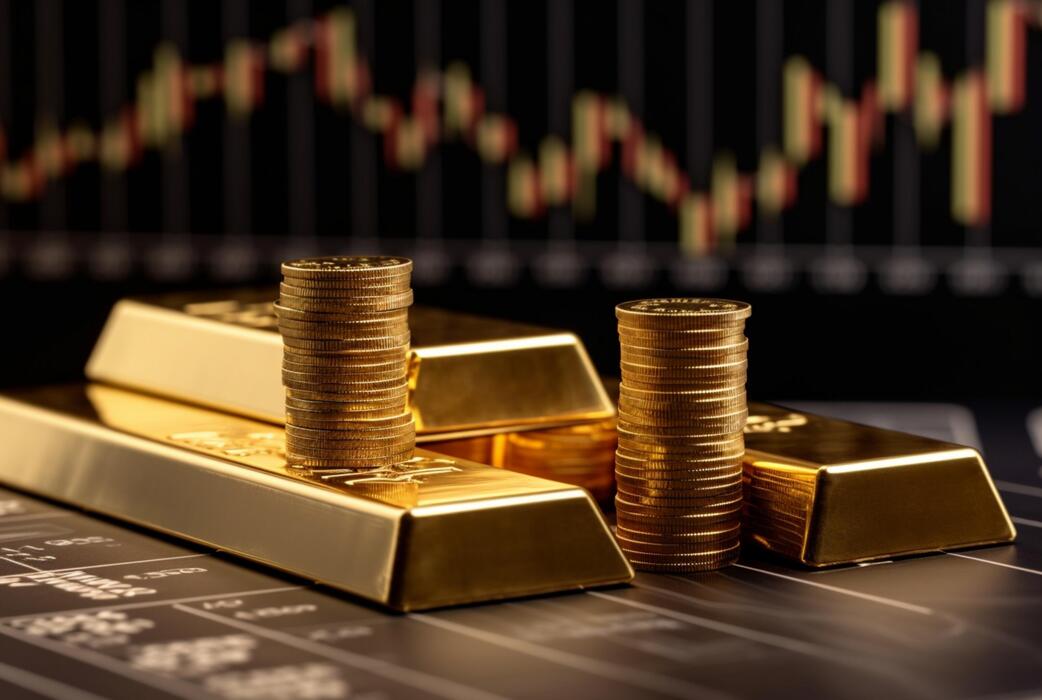
The global gold market opened Monday, 27 July 2026, with a firmer tone as investors responded to softer oil prices, a weaker U.S. dollar, and renewed attention on the Federal Reserve. Spot gold rose 0.5% to $4,074.22 per ounce, while U.S. gold futures edged up to $4,077.00, according to Reuters. COMEX gold futures also settled slightly higher at $4,074.50, extending the metal’s recent recovery and reinforcing gold’s position as one of the most closely watched safe-haven assets in global finance.
A major driver behind the move was the sharp drop in crude oil prices after the United States and Iran paused military strikes over the weekend. Reuters reported that Brent crude fell more than 8%, easing immediate inflation concerns and lifting sentiment across risk-sensitive markets. That matters for gold because lower oil prices can reduce expectations for persistent inflation, which in turn can influence interest-rate expectations and the appeal of non-yielding assets like bullion.
The Federal Reserve remains the next key catalyst for the gold price forecast. Traders are watching the upcoming policy decision closely, with markets still trying to gauge whether rates will stay unchanged in the near term and how policymakers may frame inflation risks. Gold often strengthens when real yields are expected to fall or when investors anticipate a softer policy stance, and Monday’s action suggests the market is already positioning for that possibility.
Beyond short-term price action, the wider gold market update also reflects deeper structural demand. Reuters reported that China’s net gold imports via Hong Kong more than doubled year on year in June 2026, even though the total was slightly lower than May. The same report noted that China’s central bank continued to add to its gold reserves, highlighting how reserve diversification and physical demand remain important supports for the global gold market.
Gold’s long-term appeal is reinforced by its role as a strategic asset. The World Gold Council describes gold as highly liquid, free of credit risk, and useful for diversification, while also noting its value as a long-term store of wealth. That is one reason gold continues to attract both institutional and retail interest during periods of geopolitical uncertainty, inflation anxiety, or currency weakness.
From a trading perspective, Monday’s setup points to a market that is constructive but still fragile. Gold is benefiting from cooler inflation pressure, a softer dollar, and a more supportive macro backdrop, yet its next move will likely depend on whether the Fed strikes a dovish or hawkish tone and whether geopolitical risks remain contained. For readers following a high-value gold price update, the message is clear: the trend remains positive, but the path higher may still be uneven. Because CME Globex gold trading runs from Sunday evening through Friday afternoon, the market can react quickly to any fresh headline, making gold one of the most responsive assets in the global commodities space.
Gold kicked off Monday, July 27, 2026, on solid footing. Prices rose as investors took stock of falling oil, a weak U.S. dollar, and a watchful eye on the Federal Reserve. Spot gold climbed 0.5% to $4,074.22 an ounce, and U.S. gold futures crept up to $4,077.00. COMEX gold futures closed slightly higher at $4,074.50, extending gold’s recent run and reminding everyone why it’s still one of the most closely watched safe havens out there.
One thing really moved markets—crude oil prices dropped hard after the U.S. and Iran hit the brakes on military strikes over the weekend. With Brent crude sliding more than 8%, traders breathed a sigh of relief over inflation, and risky assets got a boost. That matters for gold: cheaper oil eases inflation worries, which can change expectations for interest rates and shift how investors feel about assets that don’t pay a yield, like gold.
Now, everyone’s waiting on the Federal Reserve. Traders are glued to the next Fed announcement, trying to figure out if rates will stay put this time and how the Fed will talk about inflation. Gold usually shines when real yields are slipping or when a softer Fed stance seems likely, and Monday’s action hints that the market is already bracing for that.
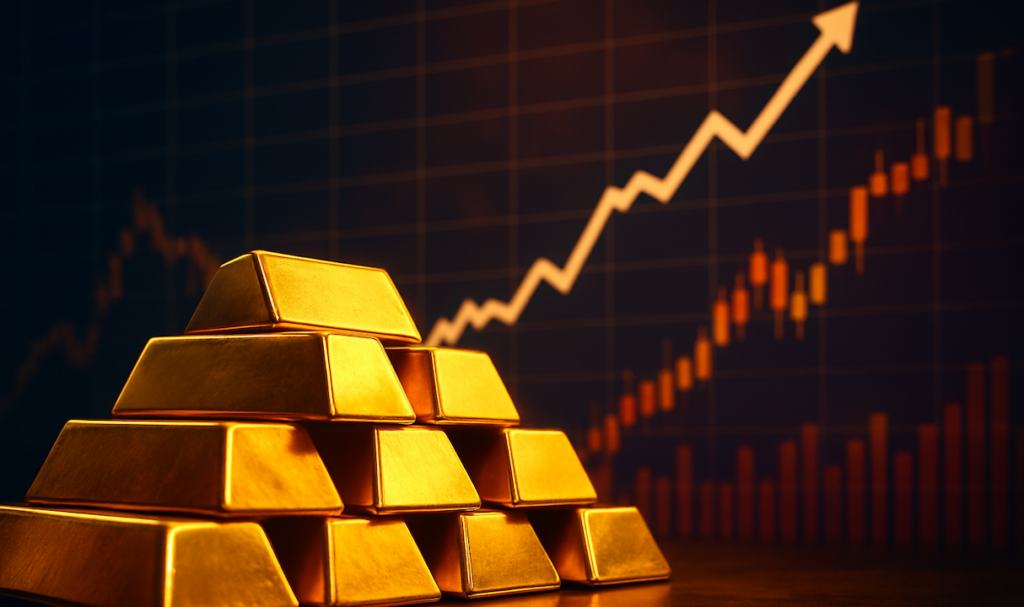
Zooming out for a minute, there’s more going on under the surface. China’s appetite for gold hasn’t slowed down. Reuters says China’s net gold imports through Hong Kong more than doubled in June compared to last year, even if the total slipped a bit from May. Plus, China’s central bank keeps quietly adding to its gold reserves, showing how demand for physical gold and reserve diversification are still holding up the market.
People keep coming back to gold because it just does the job. The World Gold Council calls gold liquid, free from credit risk, and a smart way to diversify. But that’s not just marketing speak—it’s why both big money managers and regular folks look to gold when the world feels shaky, when inflation nags, or when currencies stumble.
So, what’s the market vibe heading into the week? Things look good, but there’s still tension. Gold is getting a lift from cooling inflation, a softer dollar, and a generally friendly macro backdrop, but its next big move really depends on what the Fed does and whether any new global flareups stay under control. For anyone following gold’s price these days, the takeaway is pretty clear: the trend’s up, but the ride probably won’t be smooth. And with CME Globex gold trading running nearly around the clock, gold can react instantly to breaking headlines—keeping it at the center of action in global commodities.

