

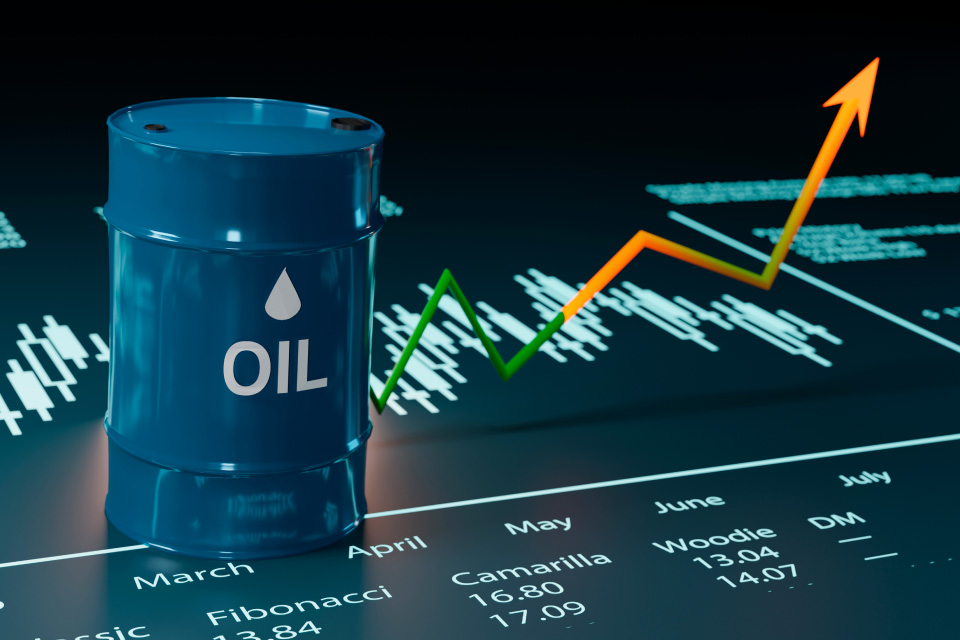
Global oil prices dropped sharply on Tuesday, July 28, 2026, giving the market a bit of a breather after a pretty wild weekend. Brent crude slipped to $84.09 a barrel, while WTI fell to $79.26—a solid 5% decline, according to Reuters. Investors seemed ready to relax a little as talk spread that tensions between the U.S. and Iran might ease up, although, honestly, the whole region is still on edge.
Why does this matter? Oil isn’t just another commodity—it’s the heartbeat of the world economy. When prices like Brent and WTI drift lower, it knocks down transport and production costs, helps keep consumer prices in check, and can even perk up broader market sentiment, especially in markets wary of inflation. Plus, Reuters pointed out the U.S. dollar got a bit weaker, making oil (which is priced in dollars) more appealing to international buyers and giving risk assets a small shot in the arm.
But let’s not get carried away. This slide in prices doesn’t mean all is calm. The Middle East still holds the cards when it comes to supply risk, especially with the Strait of Hormuz—a crucial passage for about 20% of the world’s oil—remaining partly closed. Attacks in the Red Sea region have kept tensions high and disrupted shipments. Basically, what we’re seeing is investors dialing back immediate panic, but not ignoring the real supply risks that still loom large.
And OPEC+ is playing its own role. Reuters noted the group will probably pause any oil output increases after September, sticking to their current voluntary cuts through the end of 2026. It’s a balancing act: producers want market stability, but there’s ongoing jockeying over how much each country can pump. For anyone tracking oil prices, supply policy is now just as critical as geopolitical headlines.
For businesses and investors, this means a mixed bag—some relief, but not a green light. Cheaper oil helps airlines, shippers, and manufacturers trim their costs, and central banks get some relief from runaway inflation. But make no mistake—if tensions flare again in the Middle East, the risk premium that drove Brent over $100 recently could come roaring back. Just before this pullback, prices shot up fast, showing how quickly things can shift when major supply chokepoints and energy hubs feel threatened.
From a trading standpoint, oil never sleeps. With CME Globex futures open nearly all week, prices can react instantly to any new headline—whether it’s a sudden breakthrough in diplomacy, a missile strike, or a policy shift from OPEC+. The bottom line: oil is still totally headline-driven, but right now, the market has slid from panic mode into a more cautious, wait-and-see attitude.

