The Future of Education: How Technology Is Impacting Education in 2026


Learning in the year 2026 does not remain limited within the confines of the classroom. With the advancement taking place at such a rapid pace in the technological aspects being adopted, the learning patterns in the years to come are going to witness drastic changes. This change is even more relevant for the generation ranging from the age group of 20-50 years.
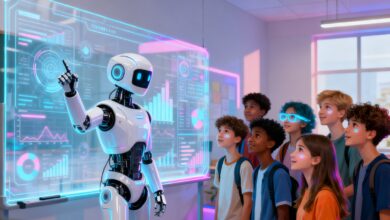
One of the most influential transformations that have come to affect modern education is the move towards student-centric education. Technology has made it possible to have education adapt to the student, unlike before when the student had to conform to the curriculum. The role of artificial intelligence has made it possible to have data analyzed in real-time, resulting in the adaptability of the education to the needs of the student.

Personalized Learning
Personalized learning is also associated with competency-based learning. The assessment of learners is no longer based on their test performance, but instead, it is a reflection of their skills and abilities. This makes learning directly related to the work environment, such that learners acquire knowledge that they can put to immediate use. The approach is even more beneficial to adults, who have many responsibilities, including work.
The other great influence that will mold the face of education in 2026 is immersive technology. Virtual Reality (VR), Augmented Reality (AR), and Mixed Reality (MR) are changing the way complex concepts are delivered and comprehended. Students have the opportunity to visit virtual laboratories, walk around historical sites, or simulate actual work environments without restrictions. The effect will be enhanced engagement and retention.
Together with immersive technology, gamification is another big motivator. These factors such as tracking progression, challenges, and rewards enable constant engagement and make learning less of an undertaking and more of an accomplishment-oriented experience. Such learning methods appeal to immigrants as well as digitally native learning populations.

Hybrid Education and E-Learning
The trend of Hybrid learning and eLearning remains strong. It is a winner that delivers the best to all. The fact that it is combined learning, allowing flexibility, is a boon. The Learning Management System today provides unobstructed access to courses, tests, collaboration, and analysis, not to mention anywhere access. This enhances learning, helping one learn or upskill without disturbing their professional continuity.
Micro-learning has also emerged, especially among busy adults. This type of learning allows students to take in information quickly through focused modules that can be revisited as needed. This is especially useful for updating knowledge, certification, and professional training.
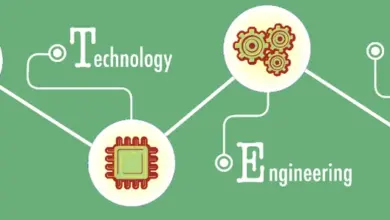
Moving forward, the education system is emphasizing skills needed in the future. In addition to core learning areas, there is a focus on technology literacy, statistical analysis, financial literacy, sustainability, and emotional intelligence. STEM and STEAM education is growing in popularity, in addition to project-based learning that prepares students in areas of problem-solving, communication, and collaboration.
There are also some decentralized eLearning platforms being developed, including those that provide increased levels of transparency, content ownership, and learner autonomy. Such platforms both enable teachers and learners and open up the educational space by being highly customizable.
Concluding Remarks
The future state of education in 2026, therefore, is one that relies on flexibility, technology, and making students empowered. The future looks promising, with education made more relevant and available than at any other time in history through personalized learning, immersive technology, flexible online education solutions, and skill-based education. The future of technology changes, and education and learning will remain a lifelong, dynamic, and lifelong process.