School Education in 2026: How Technology Is Transforming Classrooms Worldwide


School in 2026 barely resembles what it used to be. Forget the neat rows, the chalk dust, the endless drone of lectures. These days, learning actually feels alive. It’s personal and flexible, and it connects to real life in ways that, honestly, would’ve sounded like pure fantasy not so long ago. Technology’s the engine behind all this, turning classrooms into places where students want to show up, create, and keep pushing forward. Education’s opened up for more kids, but more importantly, it actually matters now, no matter your background or where you live.
Smart Classrooms Everywhere
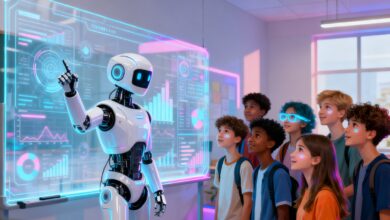
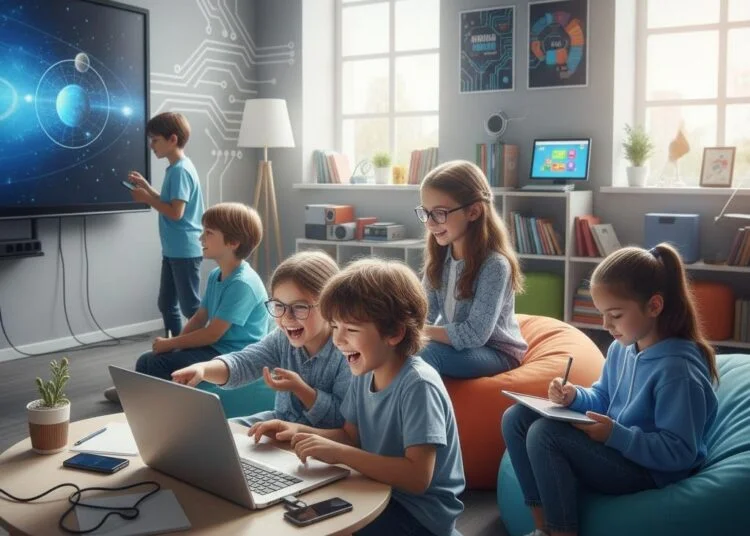
Step into a classroom now and it’s obvious things have changed. Chalkboards? Gone. Now it’s all touchscreens, digital whiteboards, tools that pull you right into the lesson. AR and VR aren’t just flashy ideas—they’re part of the daily routine. One minute you’re wandering ancient Rome, the next you’re watching a cell split up close, all from your seat. Lessons don’t just sit on the board in bullet points. They turn into experiences that stick with you long after the test.
AI Makes Learning Fit
AI blew up the old one-size-fits-all system. Now lessons actually match how you learn and what you need. Adaptive platforms change on the fly—speeding up when you’re on a roll, slowing down if you’re stuck. Teachers see who’s struggling and why, so they can jump in right when it matters.
Skills That Actually Count
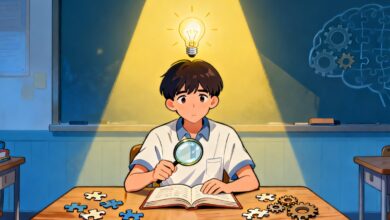
Cramming facts? Not so important anymore. With answers everywhere, what matters is what you do with information. Students learn to code, dig into data, spot fake news, and work together online. They’re building real-world skills—creativity, flexibility, figuring stuff out. Schools haven’t ditched the basics, though. Talking to people, working with others, thinking about what’s right—all that still matters. Tech’s just a tool, not a replacement for being human.
Education for Everyone
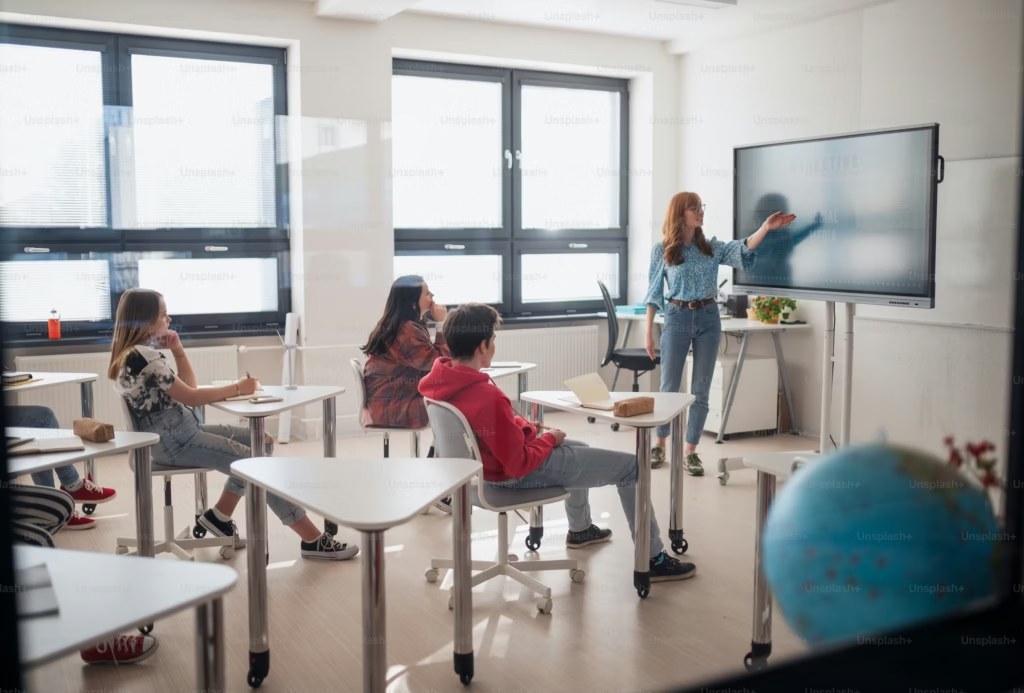
Tech’s closed the gap for a lot of kids. Online classes, virtual schools, open resources—a student in a tiny town gets the same shot as someone in a big city. And it’s more than just access. It’s about making things fair, giving everyone a real chance.
Teaching That Changes With You
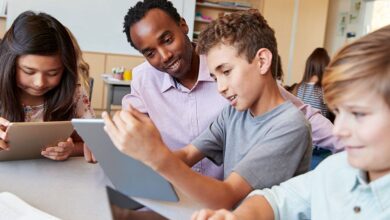
Teachers don’t just track data—they use it every day. They see how everyone’s doing and spot problems before they explode. If something’s not working, they switch it up. Learning keeps moving, and students actually get it, not just cram for the next test.
So, What’s Really Changed?
By 2026, education’s a mix—high-tech tools blended with real human connection. Smart classrooms, personalized learning, digital skills, open access, teaching that adapts—none of this is a fad. It’s just how things work now. But when you strip it all down, it’s not about the latest gadgets. It’s about lifting up students, giving teachers the freedom to actually teach, and making learning fair for everyone. Tech doesn’t replace education—it helps it reach further.
Conclusion
All this tech hasn’t sidelined teachers—it’s freed them. With less paperwork, teachers get to focus on what matters: mentoring, sparking curiosity, helping kids grow into real people. They’re not just pumping out facts. They’re guides, helping students figure things out for themselves. That personal connection? Still at the heart of it all.