How Teachers Can Use Technology to Enhance Classroom Learning

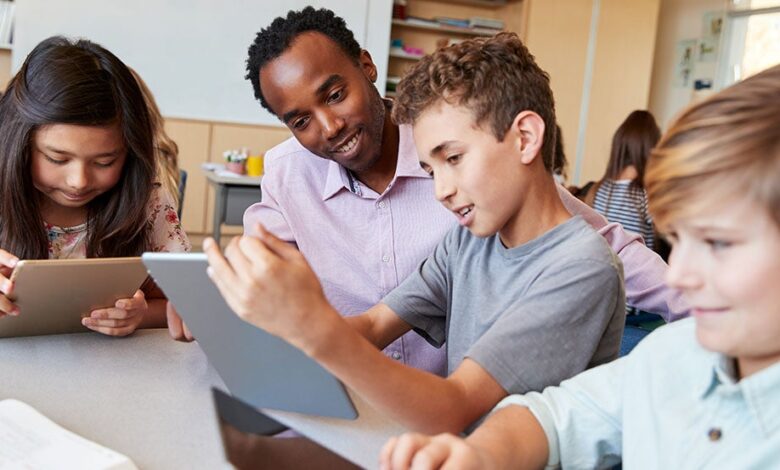
In the modern technological world that the world is in today, technology has played a huge role in the integration into daily life, including the world of education. Technology in the classroom today ranges from the use of smartphones and laptops to the use of tablets and cloud computing. This technological integration in the classroom not only complements the traditional classroom but also prepares tomorrow’s generation for a technological world.
With technology in the classroom, there is a common perception that both technology and computers are required for all students. However, this is not necessarily true, and with planning, technology and computers are not required to make learning interactive and participative.
Increase Participation With Interactive Presentations
Usually, traditional slideshow presentations loaded with text lack the ability to keep students engaged. SQL presentations, on the other hand, turn learning into an enjoyable activity. SQL tools such as PowerPoint, Google Slides, and Prezi enable instructors to mix images, animations, videos, and audio files to help students understand a topic.
Such functionalities as quizzes, clicking objects, and video learning enable active participation and ensure better retention of the information by the learners. Active participation by the learners enables them to develop critical thinking and master the subject matter.
Applying Online Games in Learning
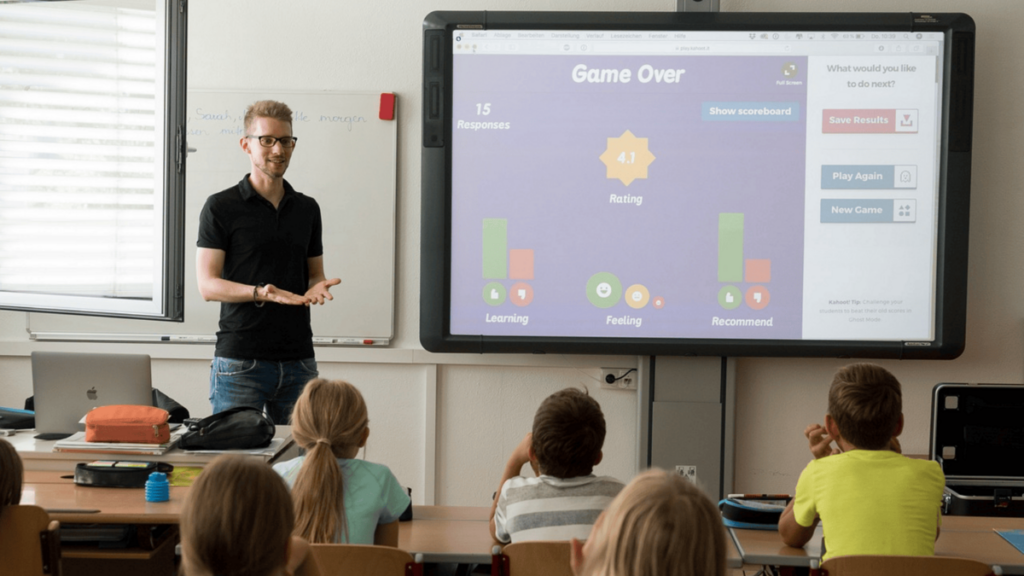
Gamification is one of the most effective tools available to improve student motivation. Many learning platforms, such as Kahoot, Quizizz, and Prodigy, are using gamification to turn learning into fun games that reinforce learning concepts.
Online games can be implemented for a variety of subjects like math, science, and language arts. In addition to this, many online gaming platforms also offer multiplayer or collaborative components, helping enhance the development of teamwork skills for the students.
As the students play online games, voluntary participation can be expected.
Internet-Based Homework for Flexible Learning
There are online homework systems such as Google Classroom, Moodle, and Its learning that enable teachers to create and manage assignments. This is an effective way of distributing assignments to learners and hence keeping them organized.
Educators can assign videos, readings, and interactive activities that students can complete on their own. Online platforms allow instructors to monitor student progress, offer individualized feedback, and tailor their teaching to the needs of each student, making education more flexible.
Streamlining Evaluation with Online Grading Tools
Online grade submission systems such as Turnitin, GradeCam, Blackboard, and PowerSchool make the process of assessment and feedback easier. The systems provide automated grading, review reports, and eliminate paperwork, giving the teacher more time to teach.
Students can also easily access their scores and feedback, ensuring responsibility and introspection. The parents also get to benefit because they receive updates on their child’s progress, promoting a good relationship between schools and parents.
Tablets: Powerful Tools for Learning
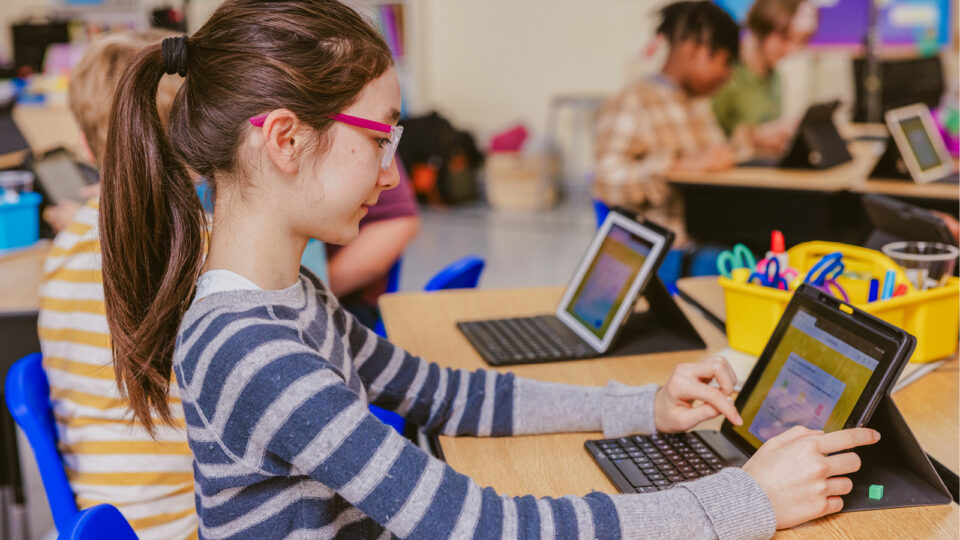
Tablets such as iPads and Androids provide online textbook accessibility, learning games and simulations, and multimedia capabilities. This enhances the capabilities of students because learning will be conducted through various learning media.
Productivity tools like Microsoft OneNote, Notion, and Explain Everything enable students to keep track of their tasks, stay organized, and focus, which is paramount in both learning and the working world.
Discovering the World with Virtual Field Trips
Field trips in virtual reality expand the scope of learning beyond the physical classroom setting. With Google Cardboard and virtual tour sites, educators are capable of taking students on explorations through various museums, historical sites, and various wonders of nature across the world.
Final Thoughts
The application of technology in learning is all about how to improve learning, as opposed to replacing learning. Technology leverages learning tools to develop interactive environments that foster engagement, critical learning, and lifelong learning. Technology application in learning enables teachers to meet the demands of 21st-century learners, as well as to prepare them for a digital world.