E-Learning vs Traditional Education: Which Is Better for Students Today?


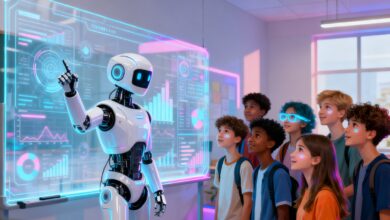
Education has witnessed a major overhaul over the last decade. Technology has been growing at a rapid pace, giving learners many options as ever before in history. Among the hottest debates among learners, working professionals, and even parents in the age bracket of 20-50 years is – “Is e-learning or physical classroom learning better or the other way around?” This can be determined on the basis of your needs and preferences. Knowing the pros and cons associated with both can help you reach the correct conclusion.
Understanding E-Learning (Online Education)
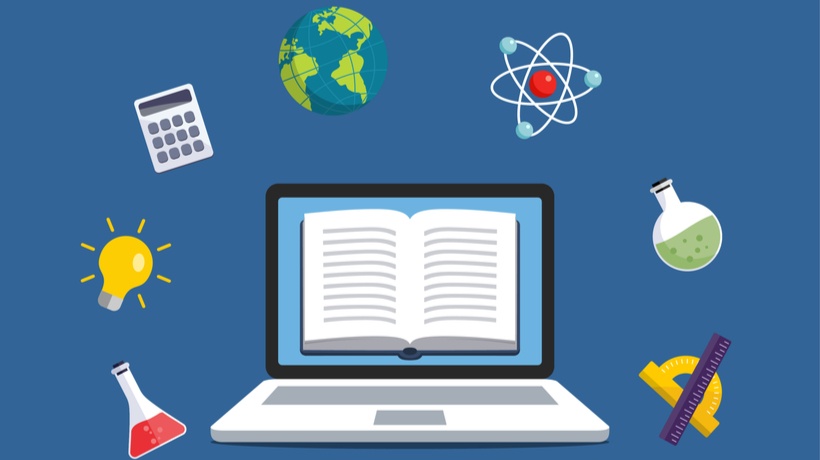
E-Learning: This is another name for online education. It has become very popular due to the advantages it offers. Today, many universities, training organizations, and companies offer e-learning courses.
One of the key strengths that e-learning holds is convenience. This is the fact that people are able to learn from the comfort of their homes or even offices wherever the internet connectivity is available. This is most important in the case of working professionals wishing to enhance their skills or prepare for any promotion or assignments. Such activities require nothing but additional time.
The other major advantage is the self-paced learning nature of the platform. Students are able to access recorded lectures, digital content, and thus learn at their own pace. E-learning platforms today integrate various tools such as discussion boards, emails, chat rooms, and virtual classrooms to enable interaction between the learner, instructors, and fellow learners.
Despite this, there are also some challenges associated with e-learning. There could be a lack of direct communication for some learners. Furthermore, too much information is sometimes available online, leading to some sort of confusion. Online learning is best suited for adult learners who are self-motivated and tech-savvy.
Comprehending Traditional Learning (Classroom Education)
Traditional learning is always a very popular and trustworthy mode of learning, especially for children and people who work best in an organized setup. Learning through classrooms allows students to have face-to-face contact with teachers and get instantaneous feedback and answers to doubts.
One key strength of conventional learning is mentorship. The tutors get to understand their students, advise, and motivate them to work even better. The standard class schedules enable students to learn discipline and time management.
Learning in the classroom also fosters socializing. Here, the student develops communication and team-building skills and makes friends because they spend the whole day with fellow learners. This is an environment that instills confidence because the learner is constantly supervised by teachers.
However, traditional education might not be the most appropriate for working individuals because it offers fixed timing as well as increased expenditures. This might be less ideal because it offers limited flexibility relative to online education options.
E-Learning vs. Traditional Education: Which Is Better?
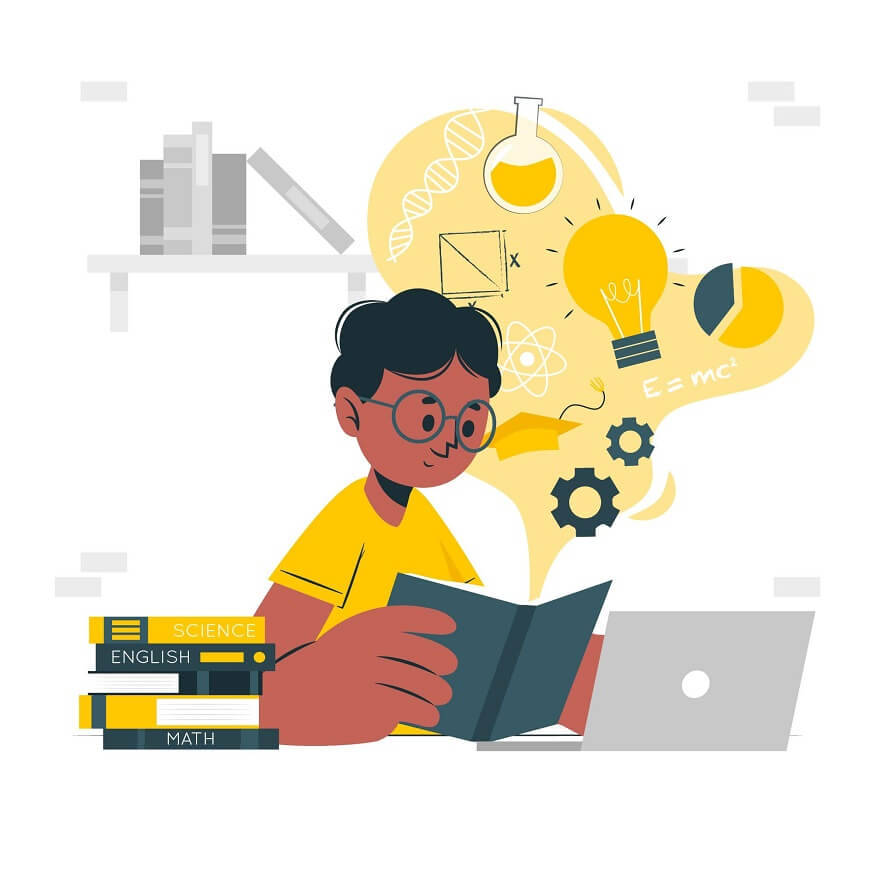
There is no single universal answer. Learning online is best suited to working professionals, those looking to make a career switch, and those who are lifelong learners. Traditional learning is ideal for students who enjoy interacting with each other and learning in a structured manner.
In today’s scenario, institutions have realized that they should adopt the blended learning method so that online learning and traditional learning happen simultaneously. By this, they will get the benefit of both elements.
Conclusion
The proposed The issue of e-learning versus traditional learning is not selecting one alternative to the other. It is making the right selection depending on the lifestyle and learning styles that one wants. With technological advancement continually affecting the education sector, the future is about solutions that are flexible and cater to making education accessible and interesting for everyone.