The Importance of Soft Skills in Academic and Professional Achievement

In today’s rapidly shifting and competitive world, achievement through school education alone will not lead to lasting success. Although knowledge and credentials are important, new responsibilities are equally important for academic success or professional advancement. Skills such as effective communication, teamwork, adaptability, and knowledge about emotions are used when one applies the knowledge gained. Both students and employees need to develop these skills to cope with the modern classrooms and the dynamic workplace.
What is a Soft Skill?
“Soft skills” refers to characteristics and social competencies that influence the way people communicate, work, and deal with problems. Technical skills, even though they can be measured and linked back to jobs, can be applied across many disciplines. For example: evaluating situations, managing teams, organizing time, cooperating, problem-solving, and so forth. These skills help influence behavior, attitudes, and work values, which is important in the learning process, as well as development within a workplace setting.
Soft Skills and Success in Academia
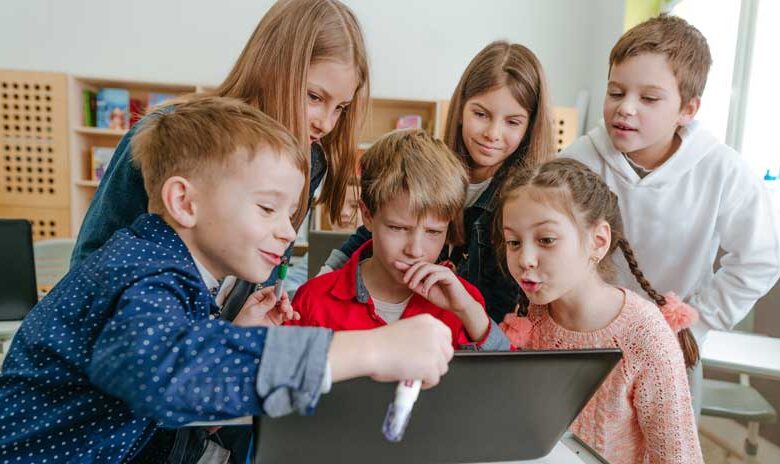
In an educational setting, soft skills enhance the ability to learn. Orginally, because they know how to express themselves well, it becomes simpler to share ideas during presentations and while committing assignments in written form. Moreover, while managing time effectively and remaining concentrated, turning in assignments on time seems more feasible and reduces stress. While working on group projects, collaboration is a significant step – respect and collaboration lead to improved results. Finally, learning to think critically makes it simpler to understand difficult issues, particularly while adapting to new approaches for learning and overcomning unexpected obstacles.
Today, teachers understand that learners with good social skills are usually performing well at school. This is because they appear more involved, take the initiative, and also handle self-managed learning tasks effectively. In light of this, teaching methods are now integrating these skills into the curriculum through teamwork assignments, conversation sessions, or practicals.
Role of Soft Skills in Career-Building
n current market conditions, personal skills mean that candidates with similar qualifications can be distinguished. However, employer demands are for individuals who can communicate thoughts effectively, work together effortlessly, or adapt to any change that arises. However, skills related to leading others, understanding emotions, and overcoming challenges are most relevant to roles involving making decisions and working collectively. Meanwhile, employees possessing sound interpersonal skills are better at resolving conflicts, building better relationships, and boosting employee morale.
Nonetheless, as technology increasingly takes on more work, inherent abilities that generate creativity or empathy remain difficult to replicate. Although work in technology is constantly evolving, non-tech abilities that relate to humanity, such as intuition or awareness, remain valuable. People with these abilities adapt better during unexpected career alterations.
Spanning Academia and Industry
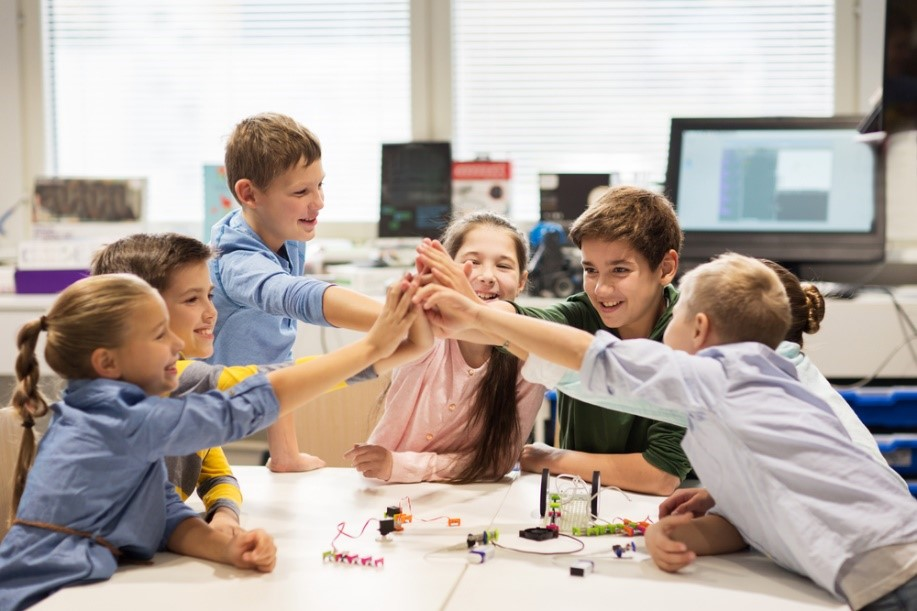
Soft skills assist to connect education with the actual needs of the job. People completing their education perform better if they have skills to collaborate and are thinking critically. Internships, extracurricular activities, or local projects help in developing such skills by applying concepts in teamwork or practical settings, which helps to build confidence to perform in the world of work.
Developing Soft Skills Efficiently
“Soft skills can be developed by hard work and self-reflection. Participating in team meetings, taking on a leading role, soliciting input or looking at personal progress can be effective. Schools and organizations can be helpful too – by creating environments where sharing ideas, collaboration, or trying new approaches is a natural part of doing business.” – Sharon Jaynes
Conclusion
Soft skills are something you don’t necessarily need but are essential for academic or professional success. When combined with skills, your personal skills such as communication or problem-solving can ensure you deal with any change effectively. Your personal skills will help you build better relationships with others, and at the same time, will also motivate you to work on your growth and progress. With the ever-changing nature of the work environment or the classroom, it’s the best way to stay successful and fulfilled.