Building Critical Thinking Skills in the Modern Education System


With the rapid pace of technology advancement, an infinite amount of information available, but ever-changing realities, logical reasoning is more important than ever. Learners aren’t just supposed to memorize information or follow instructions anymore but instead learn how to analyze information, evaluate evidence, thus inform smart decisions. In today’s learning contexts, enhancing these capabilities thus constitutes an important step in growing elastic, responsible, innovative thinkers.
Understanding Critical Thinking in Education
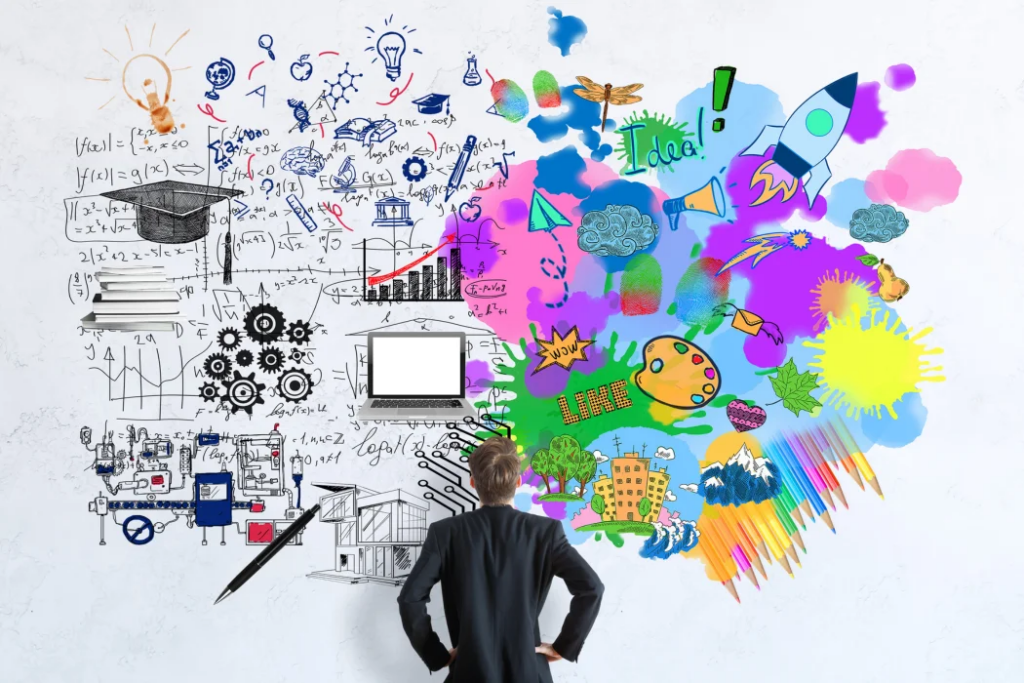
Critical thinking involves being able to reason effectively, understanding the way ideas are connected, and, more, questioning one’s own beliefs rather than simply accepting what one is told. In the field of education, it involves analyzing questions, evaluating the source of information, drawing your conclusions, and then reflecting on the outcome. These skills are necessary for moving beyond the reception stage to engagement with challenging subject matter. The world is faced with increasingly complicated scenarios, making reasoning skills necessary for enduring advancement and informed engagement with the world.
Why Critical Thinking Matters Today
The age of technology brought significant changes to how people access and disseminate information. Even though access to data online is easy, there are situations when its relevance may not be guaranteed. Therefore, students require skills to differentiate between credible sources of information and those that are misinformation or misinterpretations. In a working environment, employers would like to recruit individuals who can tackle a challenge, adapt quickly, but also make sound decisions.
Teaching Methods That Foster Critical Thinking
Modern-day schools employ new learning techniques that make students think at a deeper level. Students not only listen to what the teacher has to say; they ask questions about what they hear and explore real-life topics. Projects enable them to apply their skills to these projects. This inculcates the ability to solve problems and work in a team and come up with new ideas. Classroom conversations enable them to articulate their ideas through either discussion or debate and then give their arguments strong support through proof.
Moreover, teachers also emphasize not just memorization but also an intelligent grasp. Rather than prepared answers, they utilize classroom discussions, examples, and assignments requiring critical thinking – increasing the way a student engages notions. Rather than presenting an answer, they develop the power of reasoning in the student, encouraging independent and logical thinkers.
The Role of Technology in Critical Thinking Development
Technology, if deployed effectively, fosters better thinking in a classroom setting. Simulations or data software provide opportunities to engage practically with concepts rather than just learning facts through recall. The online platform that enables interaction enables students to learn solutions practically through action. Collaborating online among pupils encourages students to link up across different subjects, and they are also exposed to various cultural perspectives. However, technology should have defining purposes, and there are tasks that a teacher should perform, such as data analysis and reviewing what was understood.
Obstacles Faced by the Implementation of Critical Thinking Education
In spite of its importance, incorporation of critical thinking in schools gets difficult. This happens because the current pattern of testing in schools stresses memory over analysis. It further gets hampered because of congested school times, planned classroom lessons, and incompetent teacher training. Improvements are thus required at a larger scale – in lessons, teachers, and testing based on logic and creativity.
Developing an Effective Learning Environment
A positive environment fosters critical skills. With a free mind to question ideas, experiment with new strategies, or risk without penalty, progress occurs more organically. Educators reinforce the process by demonstrating a genuine interest and openness because they facilitate critical analysis every day. A positive outcome will receive increased results by working collaboratively: the school – home, administration, and teacher communication consecrates critical analysis.
Final Thoughts
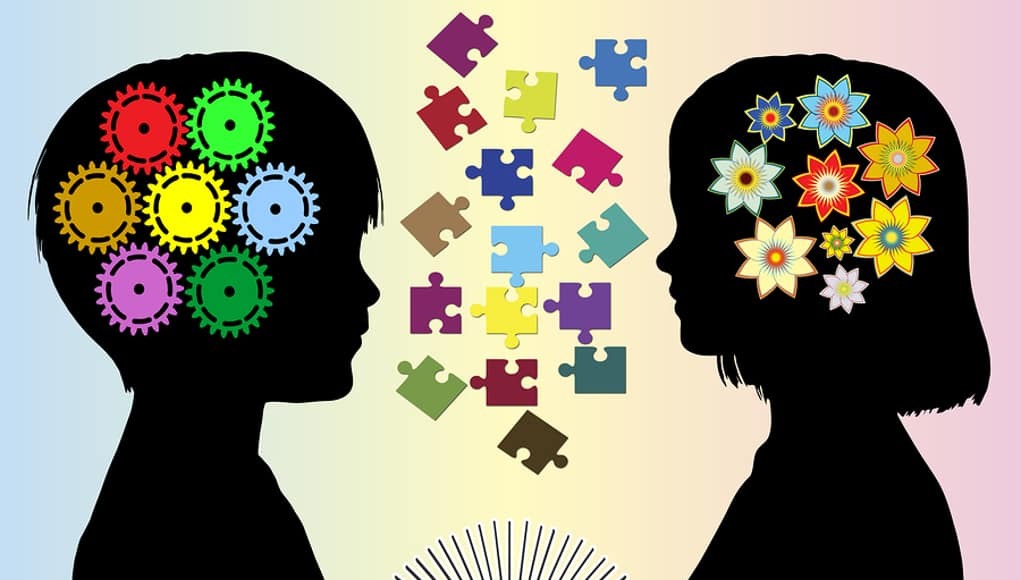
Building your thinking skills for today’s schools isn’t an option, but it’s a necessity. Emphasis on questioning, challenge, and reflective practice enable learning that prepares a new generation of people to cope with a rapidly changing world. As a constantly changing community, cultivating independent minds means that future generations won’t merely absorb information but grasp it, evaluate, and make effective use of it.