Exploring Five Countries with the World’s Best Education Systems

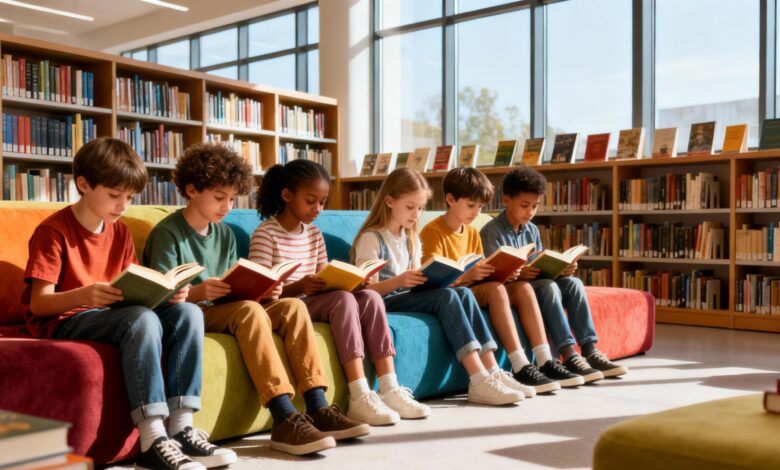
Learning plays a huge role in the strength of the Economy, the ingenuity level of the nation, as well as the overall well-being of the society. Countries that implement efficient learning systems tend to produce capable employees, thinking individuals, and individuals who are ready to compete in the global world. For those between the ages of 20-50, who might be parents, employees, or those who choose to learn beyond formal education, it is essential to know the top-rated locations for incredible learning systems.
Finland: Quality Over Quantity
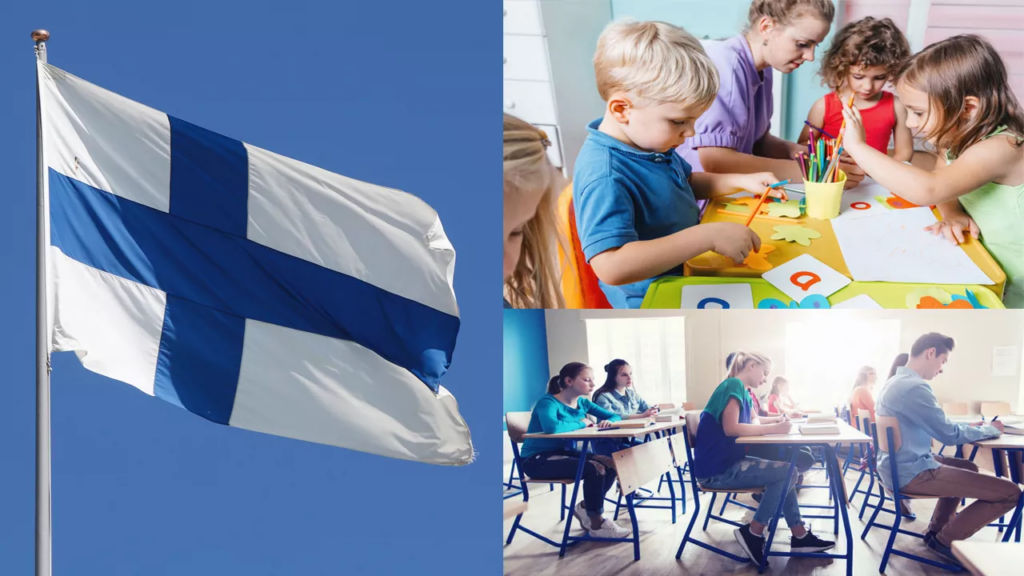
Finland earns recognition for having a learner-centric, just teaching approach. Rather than typical testing, a classroom there promotes actual understanding, creative thinking, or the faculty of logic. Teachers possess very dignified qualifications, command respect, and groups remain tight. They focus on unity – classes conclude early, homework is limited, and children develop in minds as well as in emotions.
Singapore: Excellence Through Structure and Discipline
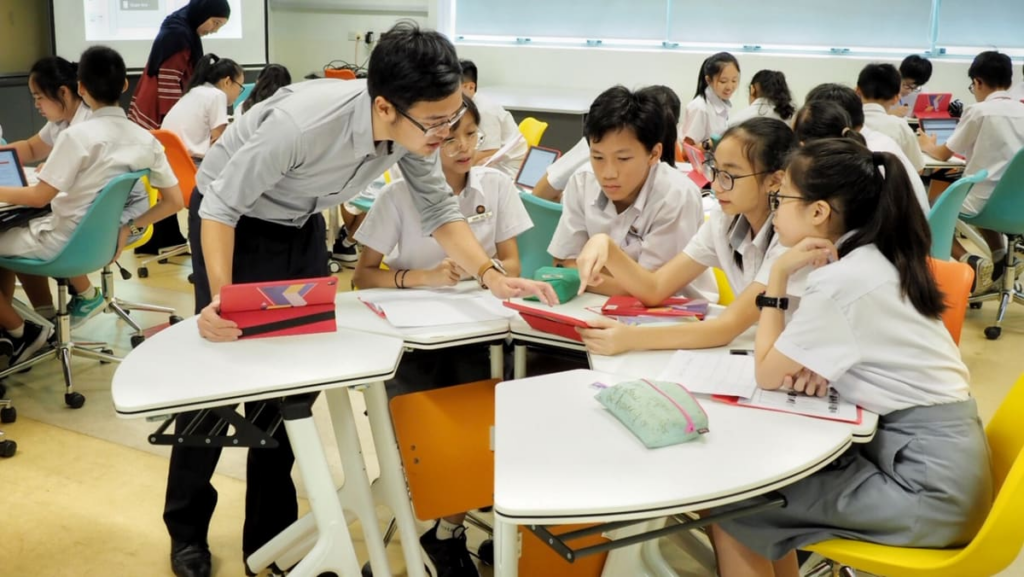
Singapore’s education system has good-performing schools, especially in math and science. Due to the rigid scheduling, the learning process takes a predictable direction. Even though the learning involves intensive studying, the updates are focused on enhancing creative thinking capabilities, along with others such as handling problems or managing change. Government support is largely contributing, along with effective strategies that help mold global results.
Japan: Strong Foundations and Cultural Values
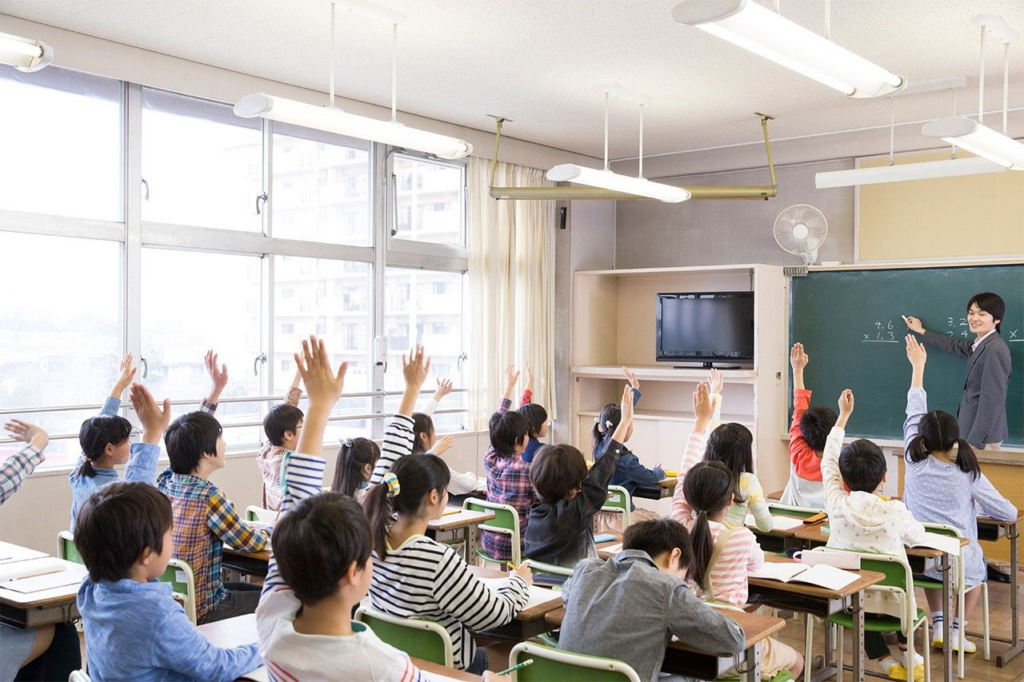
In the case of the Japanese school system, learning and training are combined with training in values and conduct. From a tender age, children are taught about responsibility, politeness, working together as a team besides learning important subjects. In the Japanese school system, children learn to progress with consistency and develop proper foundations of learning and work well together as a team. Because of this balanced approach, children learn to become competent learners and well-behaved members of society as well.
Canada: Inclusive and Flexible Learning

Canada is known for its open attitude towards foreign students under the school system. Excellent teaching standards are found at both the school and the higher institution for different cultural experiences. In classrooms, logic skills and effective articulation with an alternative approach over repetition are encouraged. Public school education is also strong with access to higher learning for many students contributing towards consistent placement among the best in the global rankings with respect to academic proficiency and student satisfaction.
Germany: Practical Education and Vocational Excellence

A lot of importance is given to education and training that is employment-oriented by German systems. With their dual education system, learning at the academic level is synchronized with learning at the work level. Higher education is cheap and focuses on innovative ideas at German institutions of higher learning. Even with this approach, students are well-grounded in their profession.
Factors Leading to Their Success
Despite their different culture and systems, these five countries share similar strengths. Strategically focusing on developing qualified teachers, opportunities remain balanced for students regardless of their location. In designing updates on study curriculum, administrators look ahead at what is to come. Government institutions maintain a strong connection with schools via continued communication. Basically, learning should be approached as investing in capital, not as immediate spending.
Lessons for the Global Community
Top models of education offer good ideas to countries that need a transformation. Educator education is important, and less stress while maintaining a strong level of quality assists the student. Making lessons more related to reality enhances the educational experience. No model is perfect, but lessons can still be derived.
Wrapped It Up
Finnish, Singaporean, Japanese, Canadian, and German schools are some of the best schools around the world – this is because of the quality being produced, innovative approaches, and the fact that these schools embrace all learners. Even though approaches vary across different countries, commonality is rooted in the development of skills alongside the development of all learners. Learning about these schools opens up perspectives on the impact of learning towards long-lasting societies.