The Influence of Social Media Content on Children’s Learning

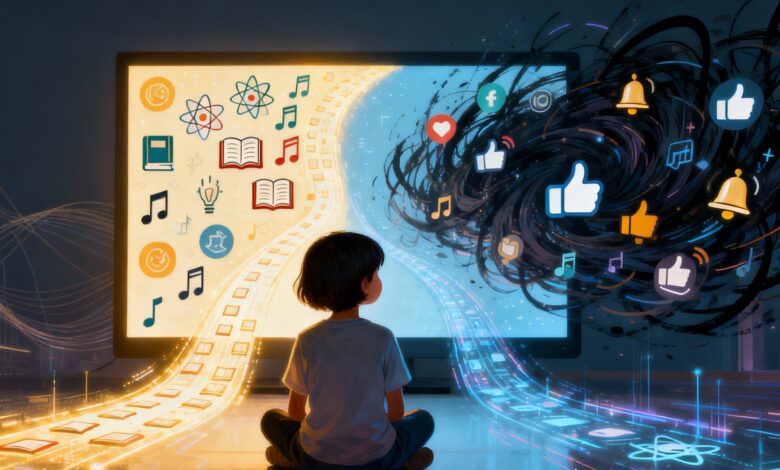
Social media plays an equally significant role in most activities, and this extends from children to adults. Most of the popular social platforms, such as YouTube, Instagram, and TikTok, have a large influence on children in matters of gaining new information and networking, as opposed to acquisition of new skills alone. Even though social platforms are not designed for educating individuals, it is apparent that there is a great influence of social media platforms on children for gaining new knowledge as well.

Social Media: Learning Tool
Social networking sites enable kids to avail themselves of the chance to access useful information instantly, besides such a novelty launch for acquiring learning skills. On the basis of attractive videos, exercises, or illustrative examples catering to them alone, they learn different aspects that go beyond learning at a class or school level. It is such as science experiments, learning a new language, or launching code fundamentals in captivating graphics, holding interest more than reading words or texts. Social networking sites could work as a catalysis, encouraging and motivating them to learn, besides efforts by multiple learners acceptable to the eyes and ears.
Encouraging Creativity and Technology Skills
Children today have not only been consuming online content but have also become producers. By doing this or those tutorials, the children have learned valuable skill sets for themselves. All skill sets have been adding to the logic and comfort levels with technology tools for the children. Since every year raises the need for being technology-savvy individuals,-acquiring this skill set for the concerned children in childhood is ideal.
Challenges and Risks Facing Learning Quality
Even though there are advantages, Social Media has its share of disadvantages too. The first disadvantage is related to the presence of poor and deceptive content. The fact is that, lacking the help of the parents, kids will find it hard to differentiate between learning materials and deceptive information. Moreover, excessive use of gadgets may lead to poor concentration, poor sleeping habits, and poor performance in schools. Even the networks offered for improved concentration might misguide kids into checking the trending material as opposed to the in-depth material.
Attention and Social Development
Fast flow in social networking may be able to shape cognitive styles in kids. Superficial knowledge could be induced by short videos. This could result in a loss of interest in paying attention or in logical reasoning. Moreover, engagement with optimal practice posts could lead to lower self-esteem or friendships because of altered behavior in a class, in light of personal ability.
The Involvement of Parents and Educators
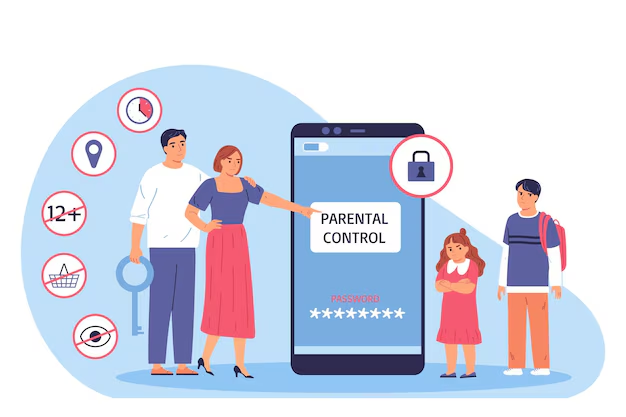
To achieve better results and derive as many benefits as possible with minimal negative impacts, it is important for the support of parents and teachers to be maintained. By establishing guidelines on the usage of devices and content for children of various age groups while discussing Cyber content with children, it will lead to better learning results being achieved. Rather than using cyber in just entertainment functions only, the application of cyber skills in educational classes may prepare children to judge cyber material wisely or apply social media for beneficial tasks.
Closing Remarks
Social media impacts children significantly in the learning process, which comes with the opportunity of learning and developing but also entails dangers. With proper guidance, social media improves creativity, learning opportunities, and technological knowledge. But if mishandled, social media can ruin focus, intelligence, or emotional maturity. With knowledge and control over guiding, intelligence, and savviness, social media should cease to be a hinderance in the learning and development process.